


Why Packet Observability Is the Missing Link in Modern IT Operations
By Ron Nevo, Chief Technology Officer, cPacket Networks
I've been fortunate to witness several transformative moments in technology over thirty years as an engineer. Each one took something powerful but inaccessible and put it in the hands of everyone. For me, these transformations manifested in simple personal moments — experiences that opened my eyes to a paradigm shift, even if I couldn't yet grasp the full extent of the impact.
The first came when I was an intern in the early 1990s, when a coworker showed me an early web browser called Mosaic. He clicked on a hyperlink and images appeared right on the screen. No arcane commands, no downloading through text interfaces. The Internet, which had existed for years, suddenly felt like something ordinary people could use.
The second came years later, using pinch-to-zoom on the first iPhone. In that gesture, I realized the entire Internet was at my fingertips. The web had escaped the computer.
These innovations enabled shifts that seems obvious in retrospect. Booking travel went from calling an agent and waiting days, to scrolling through options on a PC for hours, to using mobile apps to select flights and rooms in minutes — or soon with agentic AI in seconds. Each transformation followed the same pattern: powerful technology, limited to specialists, until something changed and democratized it to the benefit of everyone.
I believe we're at that moment for packet-based network observability.
The Packet Paradox
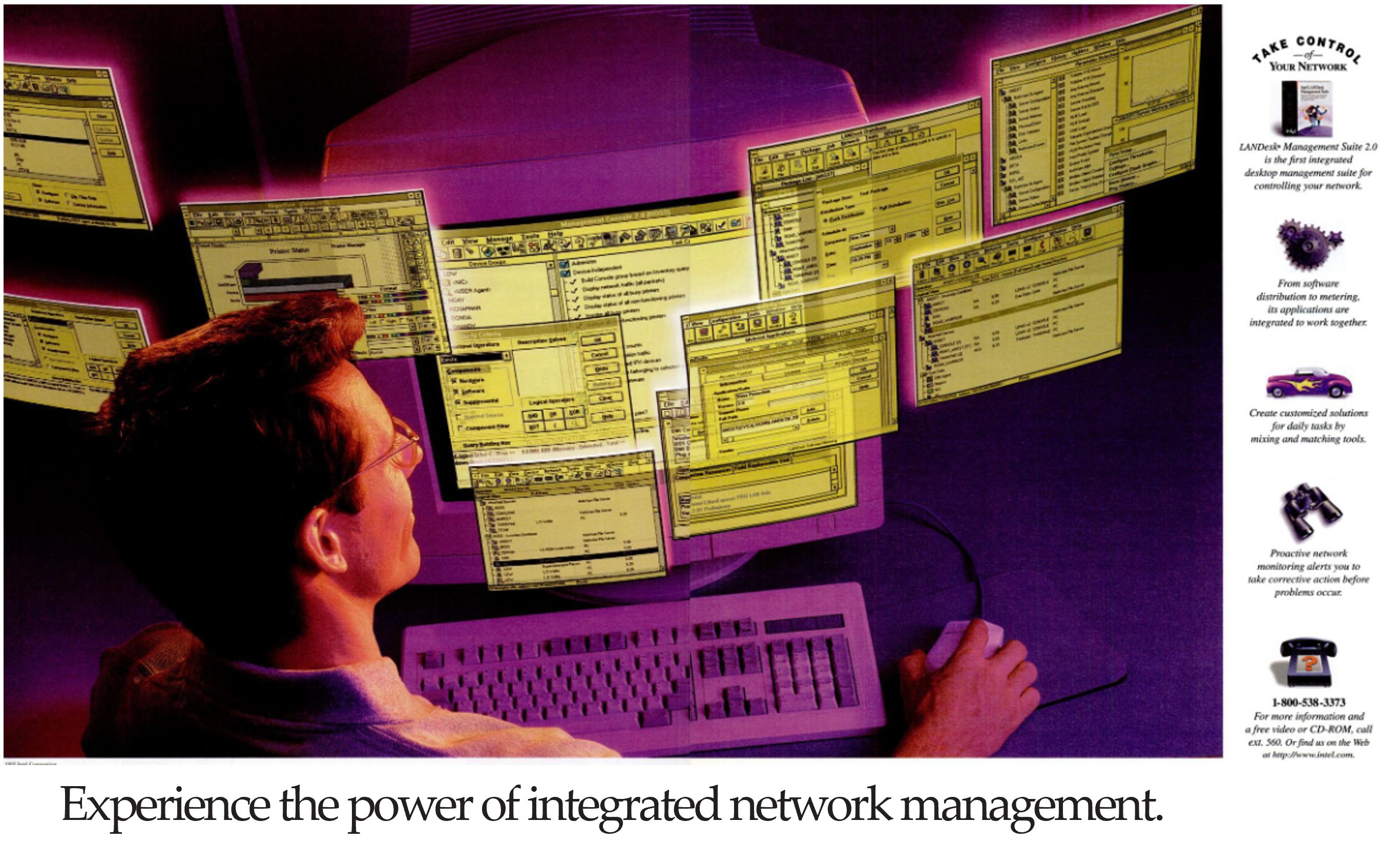
During those same thirty years, network engineers have used packet capture and tools like Wireshark to understand what's really happening on their networks. Back then, we were analyzing links running at 9600 bps, and even so, only a handful of specialists could do it.
Today, networks run at 400 Gbps and faster. Yet the accessibility of packet analysis hasn't kept pace. In organizations with hundreds of network operations staff, only two or three people know how to capture and analyze packets. The vast majority of companies don't even understand the value of what packets can tell them.
This is the paradox: packets contain the ground truth of everything happening on your network — every transaction, every latency spike, every failed connection. But that truth has remained locked away, accessible only to the select few with packet observability expertise.
Since we released our first MCP servers to early adopter customers late last year, I've had the opportunity to see how they're using agentic AI with packet analytics. What I'm witnessing is the beginning of a transformation — one that I believe will finally make the value of packets accessible to IT operations teams at large. Most notably, these early adopters have become significantly more proactive, identifying and resolving issues before users even call to complain.
Why Packets Matter
Observability exists to help users. What actually impacts users comes down to three things: applications that are slower than expected, failures to connect, and degraded quality in real-time applications like choppy voice or pixelated video.
Only packet-based observability provides direct metrics for all three — latency, connectivity, and quality — while pinpointing exactly where the problem occurred without extra instrumentation.
Let me share two real examples from my work at cPacket.
A company running multiple call centers experienced intermittent call setup failures for weeks. By the time they brought us in, I joined a war room with thirty people trying to solve the problem. As soon as we deployed packet capture and analytics, the root cause became clear: the NIC on their call orchestration server was silently dropping packets. Nothing appeared in the logs. The network team had been blamed, but the network was fine. Without packets, they might have spent weeks more chasing ghosts.
In another case, a multinational bank had a branch where users couldn't connect to their VDI desktops between 8 and 9 AM every morning. Packet-based analysis pinpointed the problem: a WAN acceleration appliance in one of their colos was introducing up to 300 milliseconds of latency to the authentication flow during that window—even though it wasn't supposed to touch those packets at all.
Packets answer the Four Ws: What happened? When did it happen? Where did it happen? And increasingly, with the right analysis, Why?
Today's AI Transformation
When I first saw how MCPs and agentic AI allows people to interact with packet analytics, I felt that same spark I felt watching Mosaic load images, or pinching to zoom on that first iPhone. This is the transformation that will make packet-based observability accessible to everyone who needs it.
Traditional packet analysis tools are built around specific dialog boxes and complex interfaces, forcing UX designers to choose precise terminology: Is it an IP address or an endpoint? A client or a server? Users have to learn the tool's language. With natural language interfaces, people describe what they're looking for in their own words—the AI translates between human intent and technical precision.
But the real transformation goes deeper. People can now ask business-level questions and get network-level answers. "Why is there a slowdown in the checkout process?" "Why are people complaining about video call quality?"
Agentic AI workflows, built on MCPs and embedded domain knowledge, bridge that gap. They correlate the business concept of "checkout" with specific servers, services, and traffic flows. They analyze the relevant packets and return actionable explanations: the database servers are resource-constrained, the firewall is overloaded, and the authentication server should be moved closer to the application servers.
This is democratization. A Level 1 support engineer can now get answers that previously required escalation to packet experts. They can determine the Four Ws and perform intelligent triage: Is this a network issue or an application issue? Does this go to infrastructure or developers? The packets have always contained these answers. Now everyone can ask the questions.
Why This Matters
For enterprise IT organizations, this means faster resolution because more people can participate in troubleshooting. It means better triage because evidence is available to everyone, not trapped in specialized tools.
At cPacket, we've always believed in the power of packets. We capture every packet at speeds up to 200 Gbps per node, across hybrid environments, because there's no substitute for ground truth.
Our MCP servers are designed to be part of this transformation. We're opening our packet analytics to agentic workflows and embedding thirty years of experience developing networking products and using packets for design and root-cause analysis—making that expertise available to everyone through natural conversation.
Critically, our architecture keeps packet data and metadata within the customer's environment, meeting the strictest security and compliance requirements. No sensitive network data is sent to external AI services.
And because agentic AI thrives on connecting diverse data sources, our MCP servers integrate packet insights with the tools organizations already rely on — ITSM platforms like ServiceNow, SIEM solutions like Splunk, and observability platforms like Datadog. The goal isn't to replace your existing toolset but to enrich it with the network ground truth that only packets can provide.
The Internet went from geeks to everyone. Mobile computing went from specialists to everyone. Packet observability is next.
To learn more about how agentic AI can make packet observability accessible in your organization, visit cpacket.com or schedule a conversation with our Field CTO team to discuss your specific environment and challenges.


